

Kitesurfing in Essaouira: spots, season and wind
17.11.2026
Written by Kay, kiting since 2014 and part of the Kitemana team.
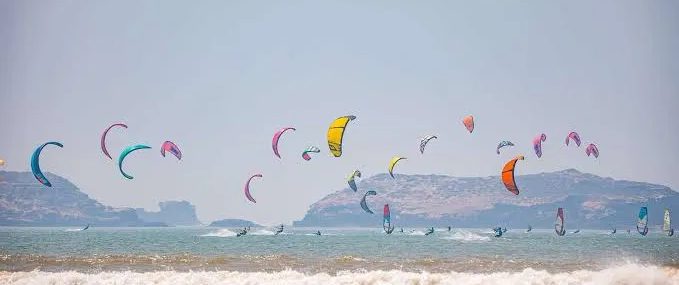
Kitesurfing in Essaouira means a long sandy bay right next to the old town, a strong trade wind and a choice of wave spots up and down the coast. The season runs from late March to September, and Mogador island off the beach keeps the waves in the bay small enough for lessons.
When to go to Essaouira
The season runs from late March to September, with 15 to 25 knots on most days and the strongest wind in July and August, when it can occasionally top 35 knots. October and November can still be good. From December to February the wind is lighter and less reliable, and most people come for the surf.
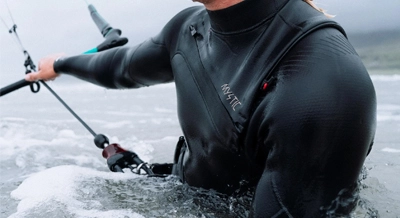
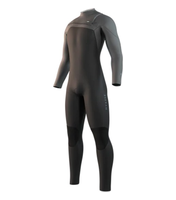
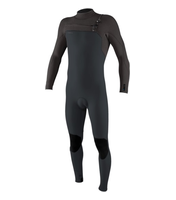
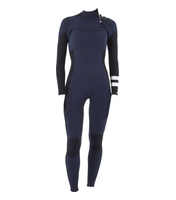
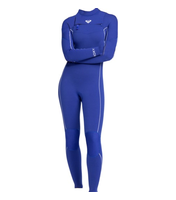
The water stays between about 17 and 20 °C, so a full suit is the norm all year: a 4/3 from January to March and in December, a 3/2 from April to November. For thickness, zip type and sizing, check our wetsuit guide.
The spot: Essaouira Bay
Essaouira Bay is the main spot: the long town beach just outside the medina walls, where most schools are. Mogador island blocks most of the swell, so the waves in front of the kite beach stay small and slow, which is good for learning.
Schematic, not to scale, no kite zones drawn. The signs on the beach and your school's instructions always come first.
The bay is the best place in Essaouira to learn, as long as you do it with an instructor: the wind is strong and can be gusty close to the medina. Pick your part of the beach with that in mind, and if you need more room, head further south.
More spots around Essaouira
Essaouira is not one spot but a base for six. The bay in front of town is where you learn. Along the coast to the north and south you find wave spots for experienced riders, most of them about 20 minutes away by car. Schools run daily trips, or you take a taxi.
Schematic, not to scale. Spot positions are approximate: do not use it to navigate.
| Spot | Water | Wind | Tide | Level | Distance |
|---|---|---|---|---|---|
| 1. Essaouira Bay | Bay, small waves | Side-shore in the bay | Beginner and up | Town beach | |
| 2. 2nd beach | Beach break, bigger waves | Trade wind | Intermediate | 2 km south | |
| 3. Moulay Bouzerktoun | Waves 1.5–3 m (Mar–Jun) | Stronger than in town | Rising tide; rocks at high and low tide | Advanced | 20 min north |
| 4. Sidi Kaouki | Strong shore break, current | Check locally | Waves best with the tide up | Intermediate to advanced | 20 min south |
| 5. The Cave / La Grotte | Long right-handers, big swell Oct–May | Check locally | Low to mid tide | Advanced | 20 min, 4x4 |
| 6. Imsouane | Long point waves | Check locally | Intermediate to advanced | 1.5 h south |
Once you ride confidently in the bay, these are the spots the schools take you to. The 2nd beach is the natural next step. Sidi Kaouki and Imsouane work for intermediate riders who can hold their line upwind, on the smaller days. Moulay Bouzerktoun and The Cave are for advanced wave riders.
2nd beach: intermediate
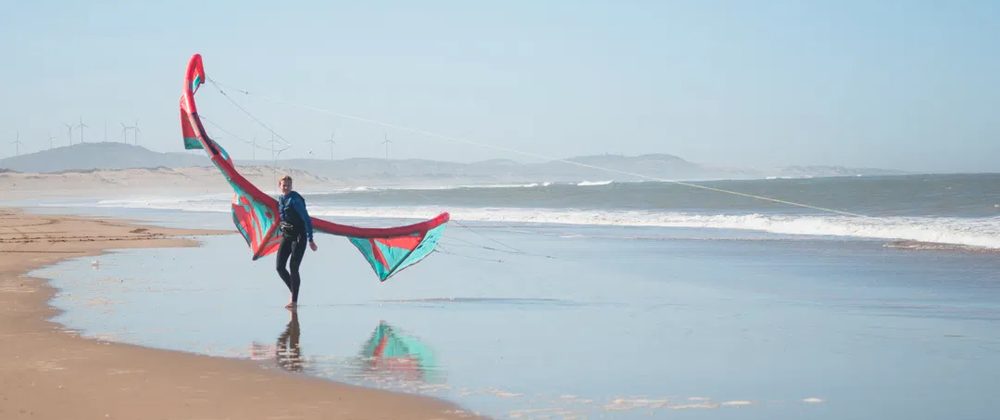
Follow the bay south past its end and you reach the beach locals call the 2nd beach, about 2 km from town. It is a long stretch of sand with bigger waves than in the bay, and sometimes a light current. Once you can ride upwind comfortably, the downwinder from the bay takes about half an hour.
Moulay Bouzerktoun: advanced
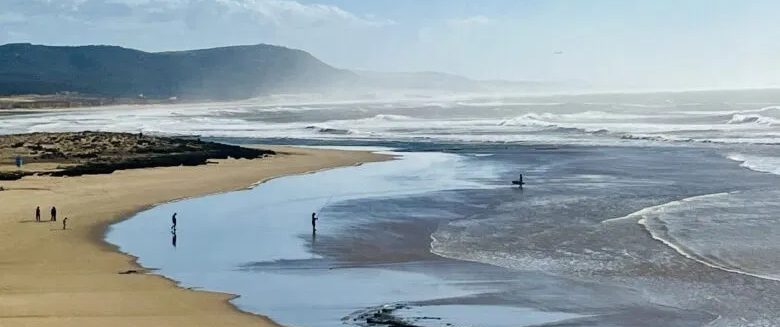
Moulay Bouzerktoun is a small fishing village about 20 minutes north of Essaouira, and the best-known wave spot on this part of the Moroccan coast. Until the early nineties it had no electricity or running water, only wind and waves, and a handful of windsurfers who came for both. Today it is a fixed stop for wave riders from all over Europe, and international competitions are held here.
The wind is usually one to two Beaufort stronger than in Essaouira. In summer it blows hard and the waves are smaller; in spring and autumn the swell is bigger and the wind a little lighter. From March to June the waves often reach 1.5 to 3 metres. There are two waves: one breaks at the foot of the cliffs, the other further south in front of the beach.
Timing matters here. Ride on a rising tide. At high tide the waves push you towards the rocks on the shore; at low tide there are rocks in the water, although they are not sharp. The beach itself is small, with flat rock slabs, so launching and landing need care.
| Water | Waves, 1.5 to 3 m from March to June; smaller in summer |
| Wind | Trade wind from the north to north-east, usually stronger than in Essaouira |
| Tide | Best on a rising tide |
| Level | Advanced wave riders |
| Watch out for | Rocks on the shore at high tide and in the water at low tide; small launch area |
| Getting there | About 20 minutes north of Essaouira by car or taxi; most schools run trips |
Sidi Kaouki: intermediate to advanced
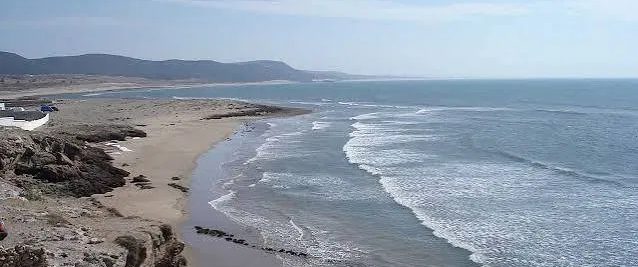
Sidi Kaouki is a wide, open beach about 20 minutes south of Essaouira, with a powerful shore break and a strong current. On a small day it is a good place to try your first waves; on a big day the shore break and current make it a spot for experienced riders. The waves are at their best with the tide up.
The Cave / La Grotte: advanced
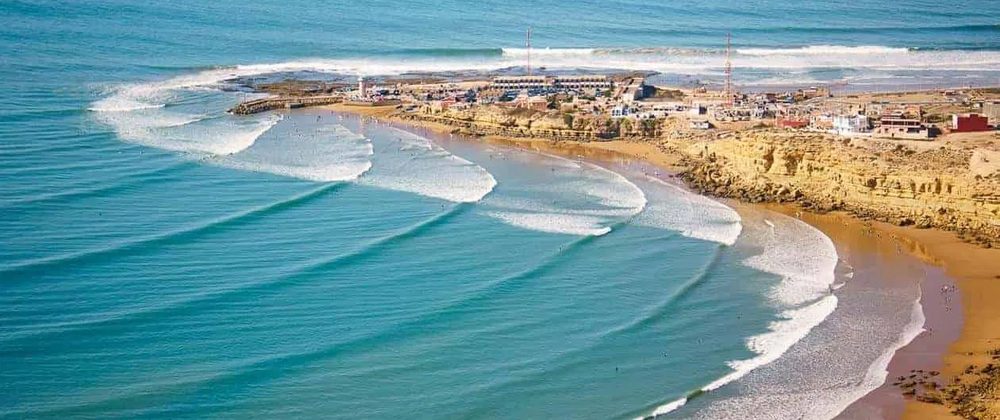
The Cave sits on the cape near Cap Sim, between Essaouira and Sidi Kaouki. You get there by 4x4 on a dirt road or on foot. From October to May it picks up big swell and long right-handers that work best from low to mid tide. Surfers ride here too, so share the waves.
Imsouane: intermediate to advanced
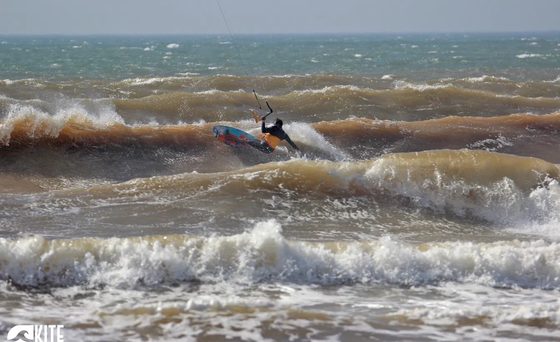
Imsouane is a former fishing village about an hour and a half south, now a well-known surf and kite spot. The southern part of the bay has shorter waves, the western part bigger ones. On a small day the long, mellow waves in the bay suit intermediate riders; when the swell is up it is advanced terrain. Worth a day trip if you have your own transport.
Whatever your level, ride these spots the first time with a school or with someone who knows the place.
Accommodation and kite schools
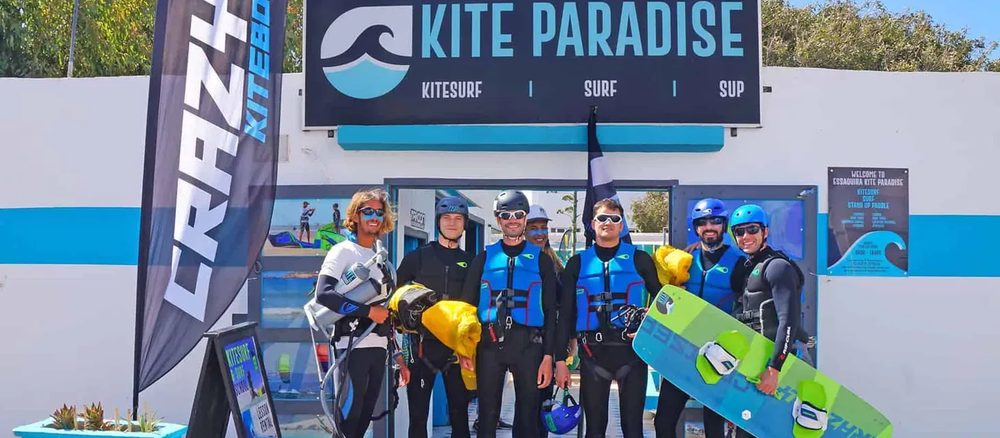
In Essaouira you stay in town: a riad in the medina or an apartment near the beach, a walk or a short taxi ride from the kite beach. Several schools work side by side on the town beach, all with lessons and rental gear, and some offer kite camps with accommodation included.
The small waves in the bay make it a reasonable place to learn, as long as you do it with an instructor. When choosing a school, check the instructors' certification (IKO or equivalent), the number of students per kite and whether they use radio helmets during lessons. Our partner in Essaouira is Kite Paradise.

Wind and kites
- Start with the direction. The dark segments show the ideal wind for this spot. Check that the arrow in the forecast comes from one of them before you look at the knots.
- July to September often hits 30 knots or more. The heat inland adds to the trade wind, so expect the top of the forecast range.
- Strongest mid-afternoon. The wind builds through the morning.
- Gusty near town. Close to the medina the wind comes over the buildings: take one size smaller or ride further south.
- North-east is the main direction. North also works; south and south-west only when it blows hard.
Essaouira is called the city of the wind for good reason. The trade wind blows from the north to north-east all season. On the open coast it is mostly cross-offshore, but in the bay the angle changes along the beach, and schools teach where it blows cross-onshore.
The wind builds through the morning and is usually at its strongest by mid-afternoon. Close to town it can feel gusty, so give yourself some distance from the medina. To pick a kite size for your weight and the wind, see the kite guide.
Getting there
Most kiters fly into Essaouira, Marrakech or Agadir. Essaouira airport (ESU) is the closest, about 16 km from the centre, but it has a small, seasonal network: direct flights come mainly from France, Spain and Belgium. Marrakech has by far the most flights from the rest of Europe and the UK, so it is often the easier choice, with a road transfer at the end. Agadir is the other option, roughly the same distance away to the south.
| Airport | Distance to Essaouira | Getting to town |
|---|---|---|
| Essaouira (ESU) | about 16 km | Taxi at a fixed fare, about 20 minutes, or the airport bus timed to the flights |
| Marrakech (RAK) | about 175 to 190 km | Rental car or private transfer, 2.5 to 3 hours; Supratours and CTM buses about 3 hours |
| Agadir (AGA) | about 175 to 185 km | Rental car or transfer, just over 3 hours; CTM and Supratours buses about 3.5 hours |
Routes and schedules change every season: check the airline before you book.
There is no train to Essaouira, so from Marrakech or Agadir you go by road. With a boardbag, a private transfer is the easiest option; Supratours stops just outside the medina walls.
No-wind days
Surf the morning glass before the wind comes up, or spend the day in the medina and the harbour. If you want to try surfing, Kite Paradise gives surf lessons too.
Frequently asked questions
Can you learn to kitesurf in Essaouira?
Yes, with a school. Mogador island keeps the waves in the bay small, but the wind can be strong and gusty near town, so beginners should not go out alone.
When is the best time to kitesurf in Essaouira?
Late March to September, with the strongest wind in July and August. October and November can still be good; from December to February the wind is lighter and less reliable.
Is Moulay Bouzerktoun suitable for beginners?
No. Moulay Bouzerktoun is a wave spot with stronger wind than Essaouira and rocks on the shore and in the water, depending on the tide. Learn in the bay first.
How far is the airport from the kite beach?
Essaouira airport (ESU) is about 16 km from the centre, around 20 minutes by taxi. From Marrakech airport it is 2.5 to 3 hours by road.
If you kite here and something in this guide is outdated or missing, email it to info@kitemana.com. We check every tip and add the good ones to this guide.

Ajouté au panier
| Sous-total | kr 0,00 |
| Frais de livraison NO | Gratuit |
| Total (excl TVA) | kr 0,00 |
Vous n'avez pas de produit(s) dans votre panier
Vous ne savez pas par où commencer?
Visitez notre service client pour obtenir des conseils
