





Harness - Seat
A seat harness is a harness that you step into with your legs, similar to wearing a nappy. A seat harness prevents the harness from riding up while kiting. This is ideal for beginners because you often keep the kite high at 12 o’clock. Many riders also experience back or rib discomfort, and a seat harness can help relieve pressure on these areas because the harness sits lower on the body. Since the hook of a seat harness sits lower compared to a waist harness, it also becomes easier to depower because the strap is closer to you. Read more »
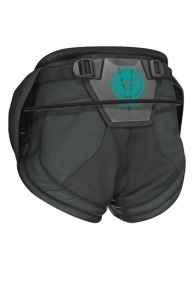
Ride Engine
Contour V2 2023 Harness
$149,41 211,43
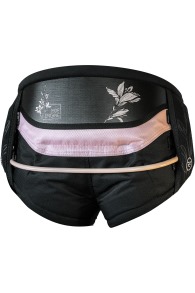
Ride Engine
Point Women 2025 Seat Harness
$346,75
1 - 2 from 2
Products per pageHarness - Seat
A seat harness is a harness that you step into with your legs, similar to wearing a nappy. A seat harness prevents the harness from riding up while kiting. This is ideal for beginners because you often keep the kite high at 12 o’clock. Many riders also experience back or rib discomfort, and a seat harness can help relieve pressure on these areas because the harness sits lower on the body. Since the hook of a seat harness sits lower compared to a waist harness, it also becomes easier to depower because the strap is closer to you. Read more »
Seat harnesses at Kitemana
Are you a brand new kiter, or do you often experience back or rib issues? Then a seat harness might be a great solution for you. Most beginning kitesurfers choose a seat harness because it provides more support and does not ride up like some waist harnesses. Very handy when you are still figuring out how to have your kiteboard, kite and balance work together. In this FAQ we answer the most common questions about seat harnesses. What are the pros and cons? How do you choose the right size? And what should you pay attention to when fitting one? This text aims to give you the information you need to feel confident in your choice. Still unsure afterwards? Send us a message via our WhatsApp.
Most frequently asked questions about seat harnesses:


What types of seat harnesses are there?
There are roughly two types of seat harnesses for kitesurfing: traditional seat harnesses and hybrid models. Within these categories you will find variations in fit, support and construction. What they all have in common is the lower hook position compared to a waist harness. This lowers your centre of gravity and makes it easier to convert power from the kite into stability and control. This is especially helpful when you are learning or when you prefer a more relaxed stance while riding.
The traditional seat harness is the best known. These models feature clearly recognisable leg straps and firm padding around the lower back and hips. They offer strong support, stay in place well and are ideal for riders seeking stability. Hybrid seat harnesses combine elements of both seat and waist harnesses. They sit a bit higher on the back and have a more performance oriented fit. Some even look like waist harnesses but have discreet inner leg straps that add stability. A great choice if you want more freedom of movement while still keeping good support.
In short, seat harnesses are for a select group of kiters: primarily beginners, short people and children, those prone to injuries, foilers who hang a lot, or kiters who have always used a seat harness and wouldn't change. The type that suits you best depends on your level, your kiting style, and of course, your personal preference. Always try out your harness or get good advice; it's an important piece of equipment that can bring you a lot of fun (or frustration).
What are the pros and cons of seat harnesses?
Seat harnesses offer several advantages, as mentioned earlier, especially for kiters who value comfort and stability. Because the pull point is lower, there's less pressure on your lower back. This is beneficial if you're prone to back problems or rib cage issues. The pressure is distributed across your entire lower body, which is especially noticeable during longer sessions or if you're just starting to kitesurf. Another advantage is that seat harnesses hardly shift while riding. They stay securely in place, even when the kite generates a lot of speed and power, which is very useful if you do a lot of freeriding or foiling. This means you don't have to constantly pull the harness back down, something that can be frustrating for kiters with waist harnesses. Smaller people and children also benefit from a seat harness, as it makes it easier to fully unhook your bar.
The downside is that they are less popular among advanced or freestyle riders. You feel more “attached”, which means less freedom of movement for high jumps or tricks. The leg straps, although comfortable in good models, can sometimes get in the way. This makes them less suitable for big air, technical aerial tricks or freestyle riding. If you prefer a seat harness but want something sportier, hybrid models might be the perfect middle ground.


What fit should my seat harness have?
A good fit is very important with a seat harness because there is more that can go wrong. A well fitting seat harness feels secure without pinching and stays in place even when the kite pulls hard. The correct fit distributes pressure across your lower back, hips and upper legs, so you avoid hotspots or rubbing.
Make sure the back panel sits correctly: not too high, not too low. You want support but also enough freedom to twist and steer. The leg straps should be tight enough to avoid shifting but should never dig into your skin. Padding around the straps helps reduce rubbing.
Every harness fits differently, so trying them on is the best way to choose the right one. If you already feel pressure or discomfort during fitting, this will only get worse on the water. Take your time, try different models and choose the harness that matches your body and riding style. We are always happy to give you personalised advice.
Which brands of seat harnesses does Kitemana offer?
Dakine: Consume less
ION: WE LIVE THE VERSATILITY OF ACTION SPORTS
Mystic: BOUNDLESS WATERS
Prolimit: PUSH THE EVOLUTION OF WATER SPORTS TOGETHER
Ride Engine: ENGINEERED FOR PRECISION, COMFORT, AND CONTROL IN EVERY SESSION.
You have no product(s) in you basket.
Not sure where to start?
Contact our customer service for advice
