

Protection
Kitesurfing is and always will be an extreme sport, and accidents can happen in an instant. That is why good protection is so important. Whether you are just getting started or you have been charging through the waves for years, the right protective gear really makes the difference. From a solid kite helmet to impact vests, earplugs, sunscreen, and lycras, at Kitemana you will find everything you need to stay safe and comfortable while shredding. Carefully selected for kiters who value style, a great fit, and high performance. Ready to hit the water with maximum protection? Check out all our protection for kitesurfers below. Want more explanation about our protection products? Click here »
Oakley
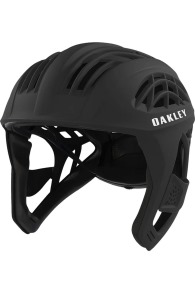
WTR Icon Helmet
£99,84 122,11

Mystic
Safety Knife 2.0
£16,45
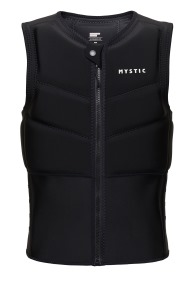
Mystic
Star Impact Vest Frontzip
£99,84
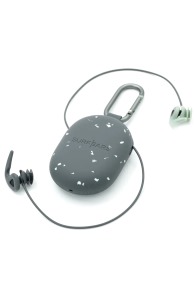
SurfEars
4.0 Surfears
£39,43
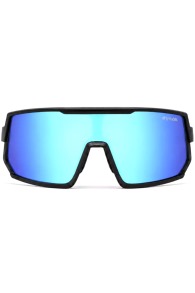
Dirty Habits
Ride Polarised Watersports Sunglasses
£46,69
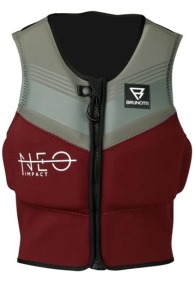
Brunotti
Neo Impact Vest
£57,39 114,86
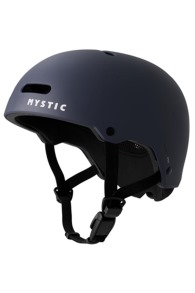
Mystic
Vandal Pro Helmet
£89,07
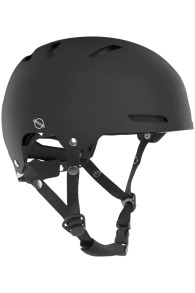
ION
Slash Core Helmet
£45,97
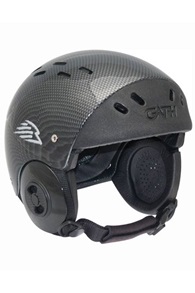
Gath
SFC Surf Convertible Helmet
£99,84

Mystic
Vandal Helmet
£71,11
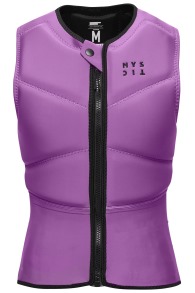
Mystic
Star Impact Vest Frontzip Women
£92,66
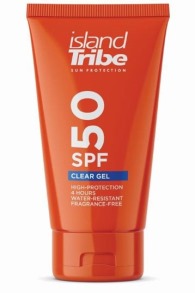
Island Tribe
SPF 50 Clear Gel 100ml Sunscreen
£17,17
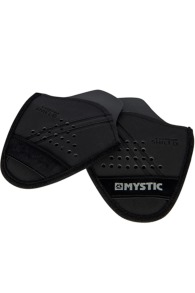
Mystic
Earpads Vandal Pro
£13,58
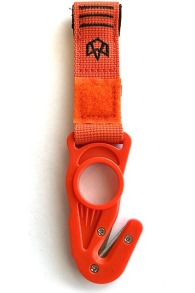
Manera
Kite Safety Knife
£8,97
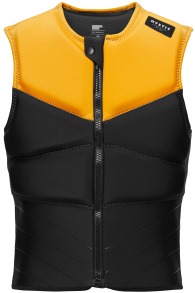
Mystic
Block Impact Vest Frontzip
£128,57
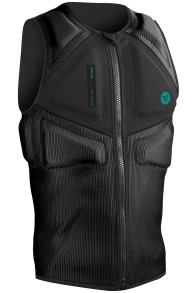
Ride Engine
Empax Impact Vest V3
£107,03
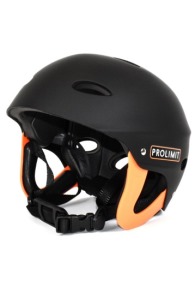
Prolimit
Watersport helmet
£35,20
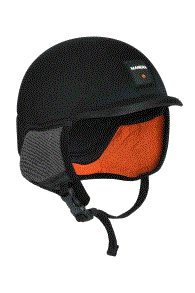
Manera
S-Foam Helmet
£53,87
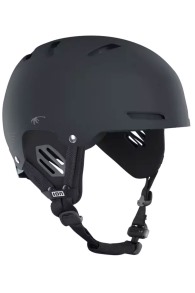
ION
Slash Amp Helmet
£60,98
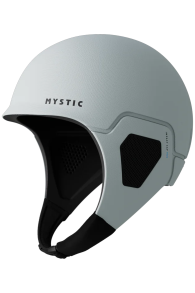
Mystic
Impact Cap
£56,75
Protection
Kitesurfing is and always will be an extreme sport, and accidents can happen in an instant. That is why good protection is so important. Whether you are just getting started or you have been charging through the waves for years, the right protective gear really makes the difference. From a solid kite helmet to impact vests, earplugs, sunscreen, and lycras, at Kitemana you will find everything you need to stay safe and comfortable while shredding. Carefully selected for kiters who value style, a great fit, and high performance. Ready to hit the water with maximum protection? Check out all our protection for kitesurfers below. Want more explanation about our protection products? Click here »
Protection products at Kitemana
Want to learn more about proper protection while kiting? Whether you are unsure which kitesurf impact vest suits you best, or you want to know when you really need a kite helmet, the information block below goes deeper into all the protective gear in our range. You will find practical tips, material explanations, and advice for different types of kitesurfers. This way, you can choose what works best for your sessions. Prefer personal advice? Feel free to contact us, we are happy to help.
Most frequently asked questions when buying protective gear:
- 1. Which types of kitesurf protection products are must haves?
- 2. How do I choose the right impact vest for my body and level?
- 3. When do I need a helmet while kitesurfing?
- 4. Why are earplugs important for kitesurfers?>
- 5. What do you use a kiteboard lycra for?
- 6. Which protection brands does Kitemana keep in stock?
Which types of kitesurf protection products are must haves?
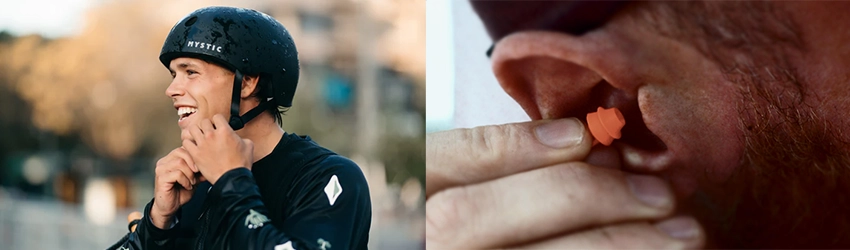
When you head out on the water with your kite, you want proper protection against hard crashes. Protective gear comes in many forms, but there are a few items that are truly important, whether you are just starting out or you have been kitesurfing for years. A helmet, for example, is never a bad idea. You see helmets on the water more and more these days. In hard crashes or unpredictable situations, such as crowded spots, flying boards, or obstacles, a good helmet can help prevent head injuries. This is especially recommended at spots with hard or rocky ground.
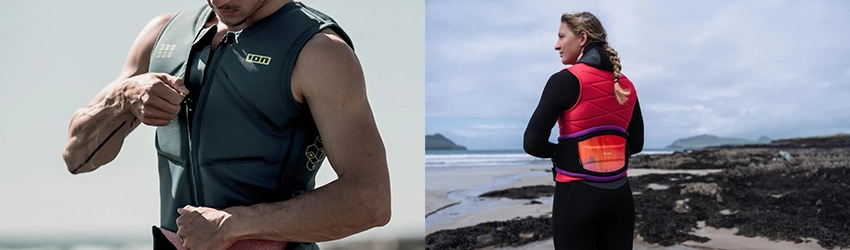
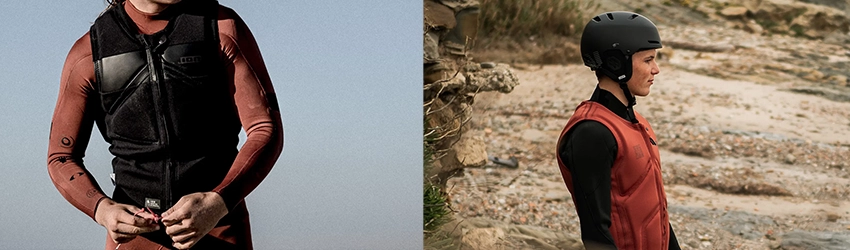
An impact vest is also essential for many kiters, especially if you are starting with kiteloops or rotations. It protects your upper body during crashes, cushions impacts on your ribs and back, and gives you a bit of extra buoyancy without restricting your movement. Even if you are just getting started, an impact vest is a smart choice. In the beginning, you make bigger steering mistakes more often, which can lead to harder crashes. Another important but often overlooked part of your gear is the kite knife. This small knife is usually attached to your harness and can be lifesaving if lines get wrapped around you after a crash. In an emergency, a kite knife lets you cut yourself or someone else free quickly and safely. You hope you will never need it, but when every second counts, it can make all the difference.
Earplugs are also a useful addition. They help protect you against surfer’s ear, a common issue for kiters caused by cold wind and water repeatedly entering the ear canal over time. Modern watersports earplugs are designed to stay in place and still allow enough sound through to keep you alert on the water.
Lastly, there is sun protection, such as lycras and sunscreen made for watersports. A lycra provides extra UV protection when it is too warm for a wetsuit, and it also reduces chafing from your harness. Sunscreen made for watersports is more water resistant than standard sunscreen, so it stays on better during your session and helps prevent you from ending up with a burnt face.
How do I choose the right impact vest for my body and level?
Choosing an impact vest is not something you do lightly. It needs to match your body, riding style, and level. The most important thing is that it fits snugly without feeling restrictive. A well fitting impact vest will not ride up while riding or during crashes, but it still gives you enough freedom of movement to steer your kite and land tricks. When trying one on, always pay attention to the fit around your chest and waist. Too loose means it will shift during a crash. Too tight means it will affect your breathing and movement. Also consider the length. If the impact vest is too short, it can feel uncomfortable against the bottom of your ribcage. Are you a beginner? Then an impact vest with a bit more buoyancy can be helpful, because in the beginning you often spend more time in the water.
A common question is the difference between an impact vest and a life jacket. An impact vest is designed to absorb impacts and provides a small amount of buoyancy, but it is not an official safety flotation device. A certified life jacket is designed to keep you afloat even if you are unconscious, but those are usually bulkier and less suitable for watersports like kitesurfing. For most kitesurfers, an impact vest is the right choice. It offers protection and a bit of buoyancy.
Explore our protection range here
Helmets Impact Vests Men Impact Vests Women Ear Protection Sunscreen Lycra Men Lycra Women
When do I need a helmet while kitesurfing?
Kitesurfing is becoming more and more popular, which also means it is getting busier and less safe at many spots. Whether you need a helmet while kitesurfing depends on where you ride and how technical your riding is, but in all cases a helmet is strongly recommended. If you are just starting out, crashes are part of the process. A helmet protects your head during hard falls, or if you collide with your board, the bar, or other kiters. So especially at busy spots or places with obstacles such as rocks, poles, or shallow sandbanks, head protection is an important part of your setup.
Even if you are more experienced and start working on freestyle or big air tricks, a small steering mistake can quickly lead to a hard crash. At high speed or during kiteloops, a lot of force is involved, so it feels good to know your head is protected. You also see more advanced kiters wearing helmets as standard in stormy conditions. Think of riders like Cohan van Dijk or Jamie Overbeek. Not necessarily because they are scared, but because they know the risk is always there.
A modern kitesurf helmet, such as models from Gath, Mystic, or ION, is lightweight, comfortable, and does not restrict your vision or movement. A good helmet should feel like you are not wearing one, until the moment you need it. Then you will be very glad you have it. A kitesurf helmet is a small investment that can make a huge difference for your safety on and around the water.
Why are earplugs important for kitesurfers?
Earplugs might not be the first thing you think of in the Protection category, but they can prevent a lot of issues over time. While kitesurfing, you are constantly dealing with wind and cold water in your ears. Especially in colder conditions or on windy days, your ear canal is heavily exposed. This can lead to a common issue among watersports athletes, surfer’s ear.
Surfer’s ear is bone growth in the ear that develops through prolonged exposure to cold and water. It often starts harmlessly, for example with a clogged feeling in the ear or mild irritation, but over time it can cause hearing loss and chronic ear infections. In some cases, surgery is needed to fix the problem.
Good earplugs help prevent this without reducing your awareness on the water. They block water and wind, while still allowing enough sound through so you can hear what is happening around you. Modern watersports earplugs sit securely, do not fall out during crashes, and are comfortable enough to wear for long periods.
What do you use a kiteboard lycra for?
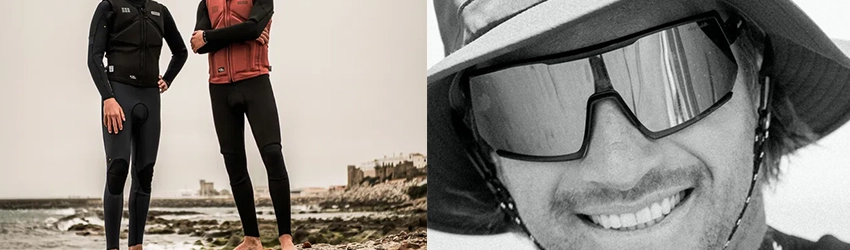
A lycra is ideal for the hottest days when you head out wearing only boardshorts, but still want protection from the sun. Unlike a regular T shirt, a lycra is made from quick drying, UV protective material that does not chafe while kiting. It fits snugly to your body, stays in place during your session, and helps prevent irritation from your harness. In addition, lycras are designed for use in both salt and fresh water, so the colors stay looking great even after lots of sun and many sessions at sea.
Which protection brands does Kitemana keep in stock?
In the Kitemana online shop, you will find kitesurf protection gear from the following brands:
Gath: GET A HEAD GET A GATH
ION: WE LIVE THE VERSATILITY OF ACTION SPORTS
Manera: STAY SALTY NO MATTER WHAT
Mystic: PUSH THE EVOLUTION OF WATER SPORTS TOGETHER
Oakley: SURF- & BEACHCLOTHING
Prolimit: PUSH THE EVOLUTION OF WATER SPORTS TOGETHER
Ride Engine: ENGINEERED FOR PRECISION, COMFORT, AND CONTROL IN EVERY SESSION.
You have no product(s) in you basket.
Weet je niet waar je moet beginner?
Contact our customer service for advice
