

Kitesurfing Spots in Germany
14.10.2026
Written by Lasse, kiter for 12 years and part of the kitemana crew
![[ALT TEXT]](https://files.naiton.com/fileservice/877cd1ab-a00a-442f-a435-92c578037a47-kitesurf-banner-1000x420.jpg)
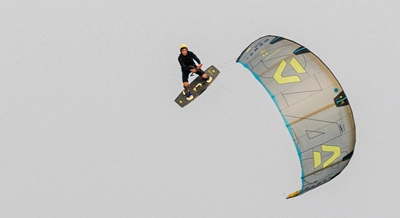
There are around 30 serious kitespots between Fehmarn and St. Peter-Ording. The Baltic side gives you tide-free flatwater and standing-depth spots, the North Sea gives you space, tides and real waves. Pick the spot that matches your level and the forecast.
All kitespots at a glance
Baltic Sea
North Sea

Kitesurfing on the Baltic Sea: what matters here
The Baltic has no tides. You check the forecast, load the car and go, the water level only shifts when the wind pushes water in or out. The advantage of this corner of the coast: Fehmarn, Großenbrode and Heiligenhafen sit so close together that the wind direction does not decide whether you ride, only where. That is the thing that matters here. If the wind turns offshore a spot is unusable, and a few kilometres away the same wind often sits sideshore. Add a lot of waist-deep flatwater and you have the best area on the German Baltic to learn in.
| Fehmarn | Kitesurfing on Fehmarn works in any wind direction thanks to the island setting. Flatwater to chop, Wulfener Hals in the south is standing depth, Grüner Brink in the northeast works in easterlies. All levels. |
| Großenbrode | Kiting in Großenbrode is where you go when the Grüner Brink is packed. The west beach is flat and standing depth in southwest through northwest to north, but there are stones in the water. The south beach works in northeast to southeast with waves and a standing area in front. All levels. |
| Heiligenhafen, Graswarder | Kitesurfing in Heiligenhafen means standing depth and a sheltered bay, working in southwest to west. Ideal for beginners. |
| Laboe and Schönberg | Kitesurfing in Laboe and at Schönberger Strand works in northeast to east, flatwater to chop. The after-work spots for Kiel, Hamburg and Lübeck. |
Kitesurfing on the North Sea: what matters here
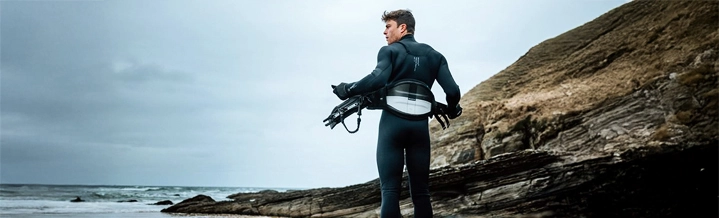
On the North Sea the water sets your schedule. As the tide comes in, huge flatwater areas form over the tidal flats. At low water it drains so far out that nothing works at all. Two to three hours around high water is usually your window, so the tide table is part of the planning. The wind is stronger and more consistent than on the Baltic. Second point: most of this coast sits inside the Wadden Sea National Park, so you only ride in the designated kite zones, and those change with the season.
![[ALT TEXT]](https://files.naiton.com/fileservice/5b86bd33-8bfe-497a-bb24-92b1cd98b24d-doubles-banner-1000x420.jpg)
| St. Peter-Ording | Kitesurfing in St. Peter-Ording means flatwater on the tide and real waves along the sandbank edge, west to northwest. All levels. |
| Büsum, Perlebucht | Kitesurfing in Büsum happens in the Perlebucht, a closed-off lagoon and therefore tide-free. Flatwater, southwest to northwest. Training base of the German Big Air scene. |
| Cuxhaven-Sahlenburg | Kitesurfing in Cuxhaven-Sahlenburg gives you a large flatwater area on the incoming tide, southwest to west. All levels, short drive from Hamburg and Bremen. |
| Norddeich | Kiting in Norddeich takes place on an officially designated kite area, flat on the tide, west to northwest. All levels and far emptier than SPO. |
| Föhr, Utersum | Kitesurfing on Föhr happens at Utersum on the western tip. Standing depth at mid water, around two metres at high water. The special part is a channel roughly five kilometres long running north to south that stays glassy flatwater even at low tide, ideal in west, southwest and northwest. The north side of the island is a protected area and off limits. The current in the channels makes this a poor choice for your first day on a kite. |
| Sylt | Kitesurfing on Sylt means two spots in one: flat and sheltered on the Watt side, shorebreak and current on the west side, west to northwest. For advanced riders. |
Learning to kitesurf in Germany
You do not need to fly to Egypt for your first course. Learning to kite on the Baltic is actually faster, because the standing-depth spots give you exactly what makes a course safe: waist-deep water across wide areas, no current and no waves. A failed water start just means you stand up and try again. The best addresses are Wulfener Hals on Fehmarn, the Graswarder in Heiligenhafen and the west beach of Großenbrode. A VDWS beginner course runs three to four days. After that what you need is water time, and that is exactly when owning your own gear pays off most.
If you kite here and something in this guide is outdated or missing, email it to info@kitemana.com. We check every tip and add the good ones to this guide.
![[ALT TEXT]](https://files.naiton.com/fileservice/d6401a86-d9ef-4fc5-ad2d-4d0c890aa97f-290x200.jpg)
You have no product(s) in you basket.
Not sure where to start?
Contact our customer service for advice
