

Kitesurfing in Zanzibar: Paje and its lagoon
21.10.2026
Written by Kay, kiter since 2014 and part of the Kitemana crew.
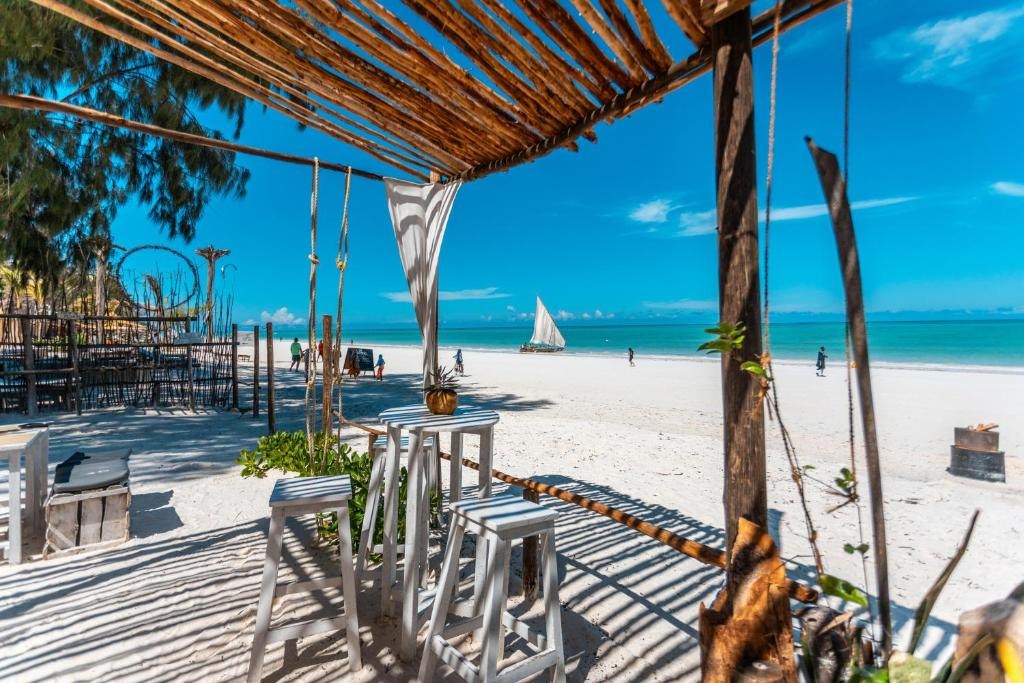
Kitesurfing in Zanzibar means Paje: a shallow, turquoise lagoon on the east coast, protected by a reef far offshore. The island has two wind seasons, from mid-December to March and from June to October, and the tide shapes every session.
When to go to Zanzibar
Zanzibar has two kite seasons, each with its own trade wind. From mid-December to March the Kaskazi, the north-east trade wind, blows mostly 12 to 16 knots. From June to October the Kusi, the south-east trade wind, is the stronger of the two: mostly 15 to 18 knots and sometimes 25. The best months are January, February, June, July and August. In between, roughly April–May (rainy season) and late October to the beginning of December, there are weeks without wind: the wind direction is shifting, with mainly light on-shore wind.
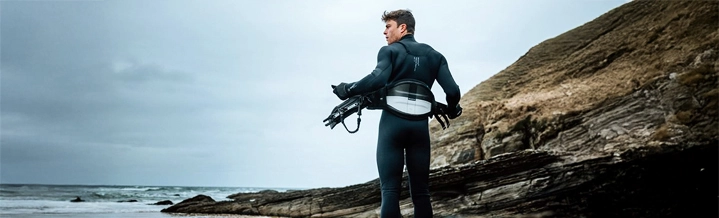
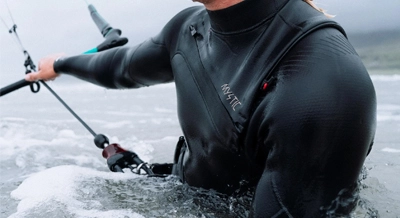
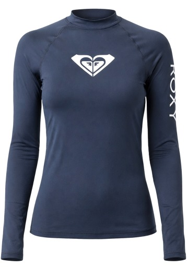
The water stays around 26 to 29 °C all year, so a lycra or boardshorts are enough most of the time. Skip the shorty. From June to September, and whenever you want to be less cold at the end of a session, wear a 1.5 mm neoprene top: a wet lycra can feel cold in the wind when the sun is setting.
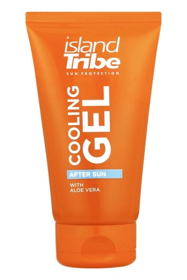
Take the sun and the heat seriously, and bring sunscreen from home. It is very expensive on the island, where it is imported through Dar es Salaam.
The spot: Paje
The lagoon runs along the coast, waist-deep and 500 to 1000 m wide, with a barrier reef far out that blocks the ocean swell. At low tide it is perfectly flat; as the water comes in you get small kickers near the beach and waves out on the reef. Because the tide goes out so far, the kiteable window changes every day: plan your sessions around the tide table.
Schematic, not to scale; the lagoon changes completely with the tide.
Accommodation and kite schools
Most kiters stay in Paje itself, right on the beach, with several kite centres and IKO or VDWS-certified schools along the lagoon. The shallow water makes it one of the easiest places in the world to learn, but at low tide the lesson area gets busy.
If you want lessons, a bed and your evenings sorted in one place, our partner in Paje is B4 Kitesurf Zanzibar. The team always teaches in French, German, English, Spanish, Portuguese, Arabic, Swahili and Turkish, so you can learn in your own language.


Kite school and stay: B4 Kitesurf Zanzibar
B4 was the first IKO school on Zanzibar and works from one base on Paje beach, the B4 Beach Club. The instructors are international and certified, with local beach assistants on the sand. Low tide is for lessons and freestyle in the lagoon, high tide for cruising and the waves on the reef.
The team teaches kite and wing foil, and teaches a lot of kids, with proper Flysurfer gear for them. If you travel with your own gear, they offer storage. The beach assistants pump up your kite and set up your lines for you: they just will not kite for you.
Stay, eat and kite in one place
Stay, eat and kite in one place
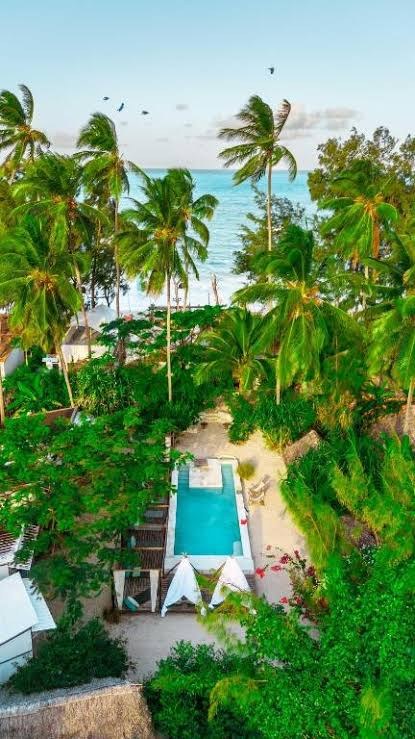
Sleep a few steps from the kite beach, eat at the beach club after your session (the octopus coconut curry is the one to order) and stay for the evenings that B4 Beach Club and B4 Boutique host every week. On no-wind days the team can set up caves, mangrove SUP, diving or a dhow trip.
Nightlife and parties
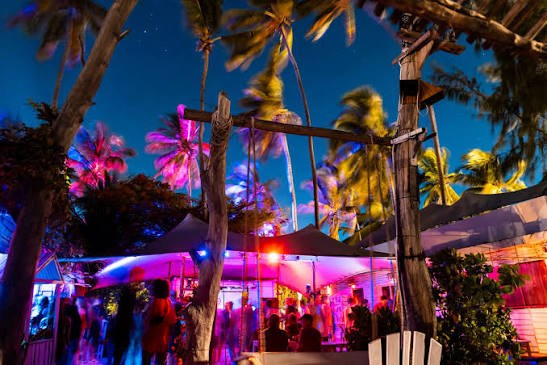
The evenings happen around the kite centres. B4 Beach Club and B4 Boutique both run evenings every week.
| When | What’s on |
|---|---|
| Sundays | B4 Beach Club: Banya Sessions |
| Mondays, Thursdays, Saturdays | B4 Beach Club: Radio Show |
| Wednesdays | B4 Boutique: House of Jua |
| Fridays and Saturdays | In Paje: live music and night market at Bento Food Court |
Wind and kites
- Start with the direction. The dark segments show the ideal wind for this spot. Check that the arrow in the forecast comes from one of them before you look at the knots.
- Check the season first. December to March is the lighter Kaskazi (NE, mostly 12–16 knots); June to October is the stronger Kusi (SE, mostly 15–18, sometimes 25).
- Check the tide as much as the wind. A great forecast at the wrong tide can mean no water in the lagoon or no beach to launch from.
- Bring bigger kites in the Kaskazi season. Many riders use 11–15 m from December to March.
- Gaps between seasons. April–May and late October to mid-December are often windless.
There are only a few weather stations in Zanzibar, so the data has to be interpreted. The best reference is probably the station at the Duotone Pro Center (DCP) in Kiwengwa: it is further north, but it likely gives the best model.
Getting there
Fly into Zanzibar airport (ZNZ). From most of Europe you change once, usually in a Gulf hub, Istanbul, Addis Ababa, Nairobi or Amsterdam; in some seasons there are also direct flights from a few European cities. Count on about 12 to 17 hours of travel from Western Europe. From the airport it is about an hour by taxi to Paje.
| Airline | Route | When |
|---|---|---|
| Qatar Airways | via Doha | Year-round |
| Emirates | via Dubai | Year-round |
| Ethiopian Airlines | via Addis Ababa | Year-round |
| Turkish Airlines | via Istanbul | Year-round |
| KLM | via Amsterdam | Frequent schedules |
| Kenya Airways | via Nairobi | Year-round |
| Oman Air | via Muscat | Year-round |
| Etihad | via Abu Dhabi | Summer season, June to early September |
| Seasonal direct flights | From a few European cities | Depends on the season: check before you book |
Schedules change every season: check the airline before you book. Last checked October 2026.
- Visa: you can get it at the airport on arrival, or apply online before you travel.
- Insurance: Tanzania requires every foreign visitor to buy its mandatory inbound travel insurance, on top of your own travel insurance. Buy it before you travel. Which one you need depends on where you land first: land in Zanzibar and you buy the Zanzibar one (ZIC); land in Dar es Salaam and you buy the mainland one (NIC), and you do not need the Zanzibar one when you continue to the island. The price is the same either way: about 44 dollars for an adult. Keep a copy of the certificate with you.
> Insurance rules: Tanzania Tourism UK, mandatory travel insurance, and the public notice of the Zanzibar Insurance Corporation. Last checked October 2026. - Yellow fever: depending on your route, you may be asked for the certificate. Check before you go.
Many travellers combine Zanzibar with a safari in northern Tanzania, then continue to the island by plane, or by ferry from Dar es Salaam.
From Dar es Salaam to the island
Taxi, car and getting around
Take a taxi from the airport to the spot. A transfer arranged by your hotel is the better choice: it comes with liability and follow-up if a flight is late or something goes wrong, and it is probably worth the extra price. Expect about 30 to 50 dollars to Paje. If you take a taxi at the airport instead, drivers will always ask for more, especially from tourists, so bargain and agree on the fare before you get in.
You can rent a car, but you need a Zanzibar tourist driving permit on top of your own licence: an international licence does not replace it, and rental companies can arrange it for you. Traffic drives on the left, and tourists are often stopped at police checkpoints: keep your documents together and stay polite and patient. Most riders skip the car. Once you are at the spot, taxis do the job.
No-wind days
There is plenty to do when the wind drops. Visit the red colobus monkeys in Jozani Forest, explore Stone Town and the birth house of Freddie Mercury, take a boat to Prison Island, go diving or sail a traditional dhow. You can also go on a quad expedition, explore caves or join the full moon party in Kendwa. At low tide you can walk out over the lagoon among the sea stars. Padel is growing fast in the country: playing padel or pickleball at The Hub Zanzibar, or training outdoors at Afya Zanzibar, within the Hub premises, are two solid options for non-windy days.
Kiting in Dar es Salaam
If you pass through Dar es Salaam, you can kite there too. A small local community of 10 to 20 riders kites at Kidimbwi, the friendliest spot, and at Coco Beach. Ask at your kite centre in Paje for the latest on conditions there.
Frequently asked questions
When is the best time to kitesurf in Zanzibar?
January, February, July and August. The Kaskazi blows from mid-December to March and the Kusi from June to October; April–May and late October to mid-December are often windless.
Is Paje good for beginners?
Yes. The lagoon is waist-deep and flat at low tide, protected by the reef. Lessons stay close to the shore, never more than 500–800 m out, and several certified schools work on the beach.
Do I need a wetsuit in Zanzibar?
No. The water stays around 26 to 29 °C, so a lycra or boardshorts are enough. For the end of a session, a 1.5 mm neoprene top keeps you warmer than a wet lycra. Skip the shorty.
How do I get to Zanzibar?
Fly into Zanzibar airport (ZNZ). From most of Europe you change once, via Doha, Dubai, Istanbul, Addis Ababa, Amsterdam or another hub; in some seasons there are direct flights from a few European cities. From the airport it is about an hour by taxi to Paje.
Do I need a visa and insurance for Zanzibar?
Yes to both. You can get the visa at the airport on arrival, or online before you travel. You also have to buy Tanzania’s mandatory inbound travel insurance on top of your own: the Zanzibar one if you land in Zanzibar, the mainland one if you land in Dar es Salaam, at the same price. Depending on your route a yellow fever certificate may be required. Check the official sites before you go.
If you kite here and something in this guide is outdated or missing, email it to info@kitemana.com. We check every tip and add the good ones to this guide.

You have no product(s) in you basket.
Not sure where to start?
Contact our customer service for advice
