


Protection - Helmet
Looking for a good kite helmet? Then you’re on the right page, we have a helmet to fit every head! Wearing a kite helmet may not seem necessary at first, but it can protect you well during hard crashes. There are many obstacles on the beach or near the shoreline. In addition, your kiteboard can hit you hard during a crash. Beginners often wear a helmet to prevent a blow to the head. Many kite schools also use helmets because they train on land, where extra protection is useful. If you go wakeboarding or kiting on sliders and kickers, we highly recommend wearing a helmet. We offer kite helmets from Mystic, Jobe, and Prolimit. Want to know more about kite helmets? Feel free to call or email us. Read more below ».
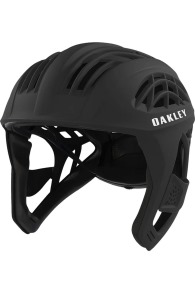
Oakley
WTR Icon Helmet
149,- 170,-
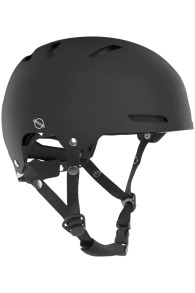
ION
Slash Core Helmet
64,-

Mystic
Vandal Helmet
99,-
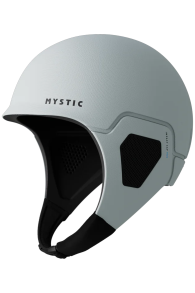
Mystic
Impact Cap
79,-
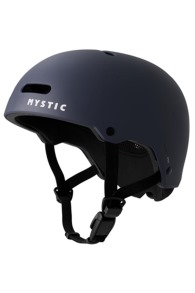
Mystic
Vandal Pro Helmet
124,-
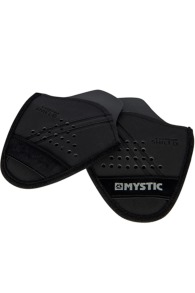
Mystic
Earpads Vandal Pro
18,90
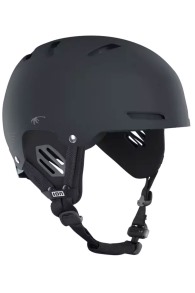
ION
Slash Amp Helmet
84,90
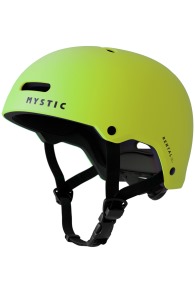
Mystic
Rental Vandal Helmet
69,-
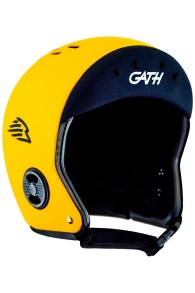
Gath
Neo Hat Helmet
159,-
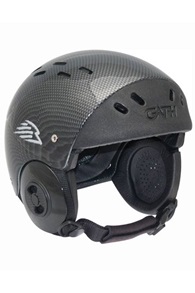
Gath
SFC Surf Convertible Helmet
139,-
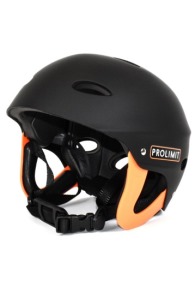
Prolimit
Watersport helmet
49,-
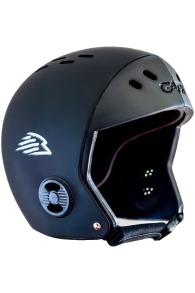
Gath
EVA Hat Helmet
159,-
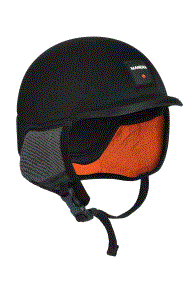
Manera
S-Foam Helmet
75,-
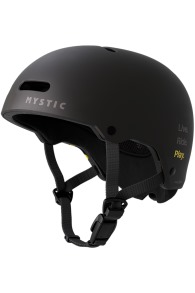
Mystic
Vandal Pro Helmet Dirty Habits
129,-
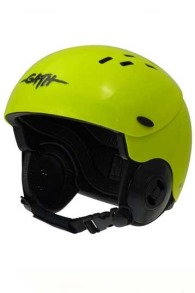
Gath
Gedi Helmet
199,-
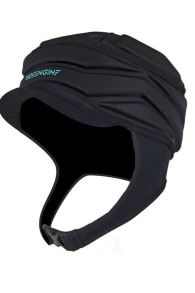
Ride Engine
Barrier Soft Helmet
49,- 69,-
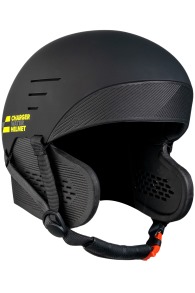
Ride Engine
Charger Helmet
119,-
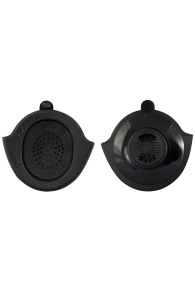
Gath
Ear Protectors
22,-
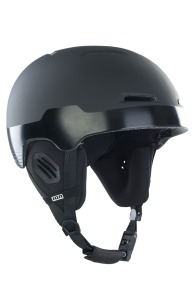
ION
Mission Helmet
119,-
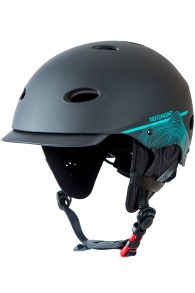
Ride Engine
Universe Helmet V2
79,-
-19 - 3 from 23
Products per pageProtection - Helmet
Looking for a good kite helmet? Then you’re on the right page, we have a helmet to fit every head! Wearing a kite helmet may not seem necessary at first, but it can protect you well during hard crashes. There are many obstacles on the beach or near the shoreline. In addition, your kiteboard can hit you hard during a crash. Beginners often wear a helmet to prevent a blow to the head. Many kite schools also use helmets because they train on land, where extra protection is useful. If you go wakeboarding or kiting on sliders and kickers, we highly recommend wearing a helmet. We offer kite helmets from Mystic, Jobe, and Prolimit. Want to know more about kite helmets? Feel free to call or email us. Read more below ».
Kite Helmets at Kitemana
Wearing a helmet during your kitesurf session is becoming more common. A helmet gives you that extra bit of protection you sometimes need. When you crash, your board can come dangerously close to your head. If you’re into wakestyle or ride on sliders and kickers, a helmet is an absolute must-have. These helmets are also perfect for wakeboarding at a cable park. Hydrofoil kitesurfing is also on the rise, and when you’re learning to foil, wearing a helmet is strongly recommended. If you fall off your foil, it can easily keep moving and hit your head at high speed, something you definitely want to avoid. Make sure you buy a good, comfortable helmet. Kitemana sells helmets from Mystic, NP, and more! If you have any questions or want to try one on, visit our shop. You can also call or email us anytime, we’re happy to help!
Most Frequently Asked Questions about Kite Helmets:
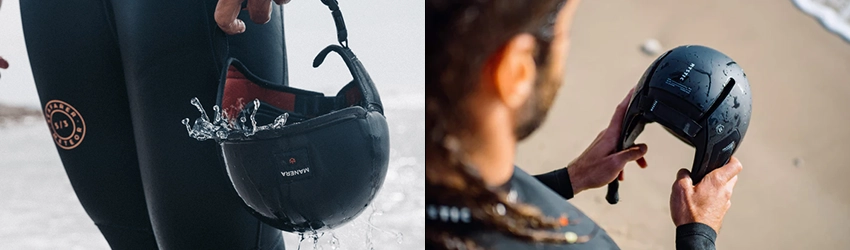
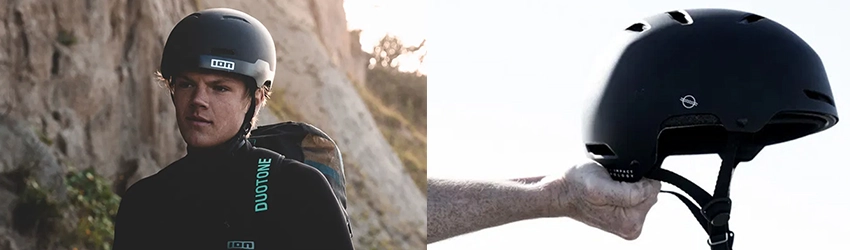
Why do I need a kite helmet?
You’ve probably seen it happen before: someone at your local spot gets hit by a flying kiteboard. You need a kite helmet to protect your head from impact while kitesurfing. The sport naturally involves some risk, a hard crash, an unexpected kiteloop, or a collision with your board, bar, or another kiter can happen faster than you think. A helmet absorbs the impact and greatly reduces the risk of head injury. Especially in strong winds, at busy or unfamiliar spots, or when practicing new tricks, the risk of accidents increases.
In addition to protecting against heavy impacts, a kite helmet also shields you from sharp objects, such as a hit from your board, a fin, or even a sharp foil mast. Modern kite helmets are lightweight, comfortable, and specifically designed for use on the water. They have drainage holes, soft lining, and a secure fit that stays in place during crashes, rotations, or water impact.
How do I choose the right size kite helmet?
Choosing the right size kite helmet is important for both safety and comfort on the water. A well-fitting helmet stays more stable during crashes, high speeds, or landings. Determine your size by measuring the circumference of your head just above your eyebrows and ears. Use a measuring tape and choose the helmet size that matches your measurement as indicated by the manufacturer. A good kite helmet should fit snugly but comfortably. It shouldn’t pinch or create pressure points, but it also shouldn’t move when you shake your head. When you move the helmet back and forth, your skin should move slightly, that’s a sign of a good fit. Check that the chin strap is adjustable and closes securely without being too tight.
Also pay attention to the lining and interior construction. Some helmets have soft, removable padding that you can adjust or replace over time, while others feature a fixed EVA foam interior that slightly molds to your head. An adjustable fit system is also very convenient.
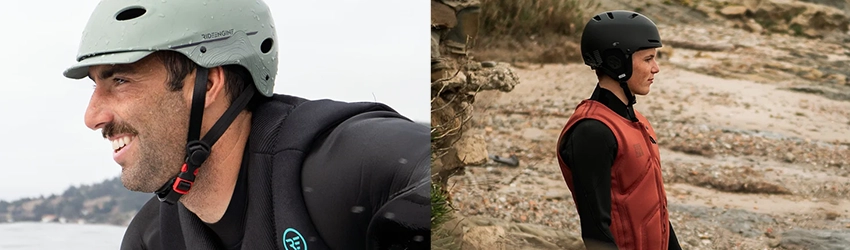
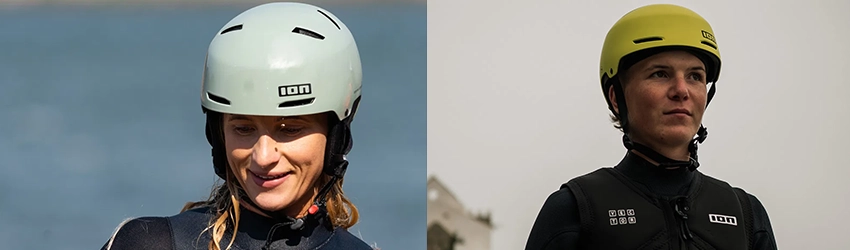
What types of kite helmets are there?
When it comes to kite helmets, there’s something for everyone, they mainly differ in hardness, material, and fit. Your choice depends on personal preference, riding style, and the level of protection you’re looking for. Generally, kite helmets can be divided into two main types: hard helmets with a solid outer shell and lightweight helmets that prioritize comfort and ventilation.
Most hard helmets feature an ABS or hardshell exterior, similar to skate or wakeboard helmets. This type offers the best protection against heavy impacts, such as crashes or collisions with your board or bar. They’re slightly heavier but extremely durable and built to last. Inside, they usually have an EVA or EPS foam liner that absorbs impact and ensures a comfortable fit.
The lighter models are made of combined foam layers or flexible materials that move with your head. These helmets are popular among riders who enjoy long sessions and want maximum freedom of movement. They feel more comfortable but offer slightly less impact protection than a true hardshell.
There are also helmets with extra features like ear pads or removable inner linings. The ear pads protect your ears from cold, wind, and impact, and improve aerodynamics while riding.
Which kite helmet brands does Kitemana sell?
Gath: GET A GATH!
ION: WE LIVE THE VERSATILITY OF ACTION SPORTS
Manera: STAY SALTY NO MATTER WHAT
Mystic: BREAK EVERY BOUNDARY
Oakley: ONE OBSESSION
Prolimit: PUSH THE EVOLUTION OF WATER SPORTS TOGETHER
Ride Engine: CLOSER TO YOUR WATER-BORN PASSION
You have no product(s) in you basket.
Not sure where to start?
Contact our customer service for advice
